
Introduction
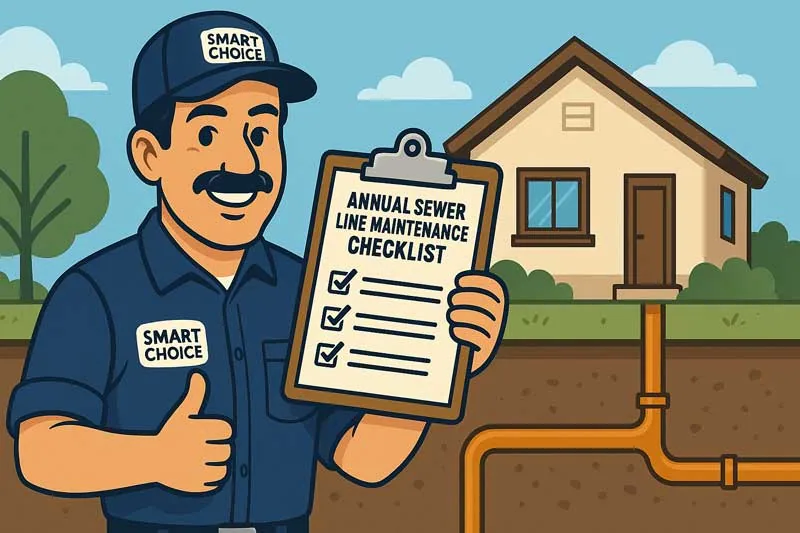
Keeping your home plumbing in great condition takes more than fixing a dripping faucet or replacing an old washer. Your sewer line is the key to moving used wastewater away from your house and into the city system without backups or musty smells. In Ventura and Santa Barbara counties many homes date back decades and have unique plumbing challenges that can lead to slow drains or even messy backups if left unattended. By investing a little time each year in sewer line maintenance you can avoid costly repairs and keep your system running smoothly.
Step 1 Locate and Inspect All Cleanout Caps
Cleanouts are access points that let you reach directly into the sewer line. They usually appear as capped pipes in your yard near the foundation or inside a basement utility area. Begin by locating every cleanout on your property. Wear gloves and slowly loosen each cap. Watch for standing water, odd debris or strong odors that could signal a developing blockage.
After inspection wipe away any sludge and tighten the cap securely. Draw a simple map of your yard and home marking each cleanout location. A quick reference will save time on next year’s checkup and help any plumber you call find access points faster.
Step 2 Treat the Line with Biological Cleaners
Chemical drain cleaners may harm pipes and the local environment. An eco friendly alternative is an enzyme based treatment made for sewer line maintenance. These products contain bacteria and enzymes that consume grease and organic buildup on the interior pipe walls.
Follow the instructions on the product label and pour the treatment into your main drain or cleanout in the evening. Let it sit overnight and flush with hot water in the morning. Repeat this process quarterly to keep your sewer line clear of clogs and preserve its integrity.
Step 3 Clean and Inspect Indoor Traps
Every sink, tub and floor drain uses a P trap, a U shaped pipe section, to hold water and block sewer gases from entering your home. Over time hair, soap residue and mineral deposits can build up inside these traps.
Once a year place a bucket beneath the trap, loosen the slip nuts and remove the trap section. Empty contents into the bucket, scrub the inside of the pipe with a brush and mild detergent, then rinse and reinstall. A clean trap ensures faster drainage and eliminates musty odors in bathrooms and kitchens.
Step 4 Schedule a Video Inspection
A video camera inspection provides a clear view of the interior of your sewer line. A licensed plumber will snake a waterproof camera through the pipe while you watch on a monitor. This process takes under an hour and reveals cracks, sagging sections or root intrusion before they become major problems.
Older homes in Santa Barbara often have mission style Spanish tile roofs and vintage plumbing that can shift with age. You will receive a recording and report to save for future reference. Video inspections are especially wise if you have large oak or eucalyptus trees near the sewer line trench.
Step 5 Test and Maintain Your Backwater Valve
Backwater valves prevent sewage from flowing back into your home during heavy rains or municipal main line backups. Locate the valve near a cleanout or in your basement mechanical area. Open the access cover and lift the flap or cap to make sure it moves freely.
Clear any debris that could keep the flap from closing fully. If the valve feels stiff or leaks when pressed, contact a plumber to repair or replace it. A working backwater valve can save your basement from a nasty flood when Ventura experiences winter storms.
Step 6 Clear Roof Vent Pipes
Your plumbing vents through a pipe on the roof to balance air pressure and help drains flow smoothly. Leaves, twigs or bird nests can clog the top of the vent pipe over time. Using a stable ladder and safety gear, look into the opening from above.
If you find debris use a plumber’s snake or flexible rod to clear the obstruction. Follow with a bucket of water down the pipe to confirm it drains freely. Open vents keep drains quiet and prevent gurgling sounds in sinks and tubs.
Step 7 Manage Tree Roots Near Sewer Lines
Tree roots seek moisture and can enter small cracks or loose joints in sewer pipes. Once inside they can cause blockages and pipe damage from within. Check your video inspection for early signs of root intrusion.
Trim back large root masses growing close to the sewer line trench. For minor root encroachment consider hydro jetting, which uses high pressure water to cut through roots without harming the tree. Follow up with an enzyme treatment to discourage roots from returning.
Step 8 Measure Fixture Flow Rates
Slow draining fixtures often warn of a partial blockage in your main sewer line. To test flow rate, fill a five gallon bucket under your kitchen sink and time how long it takes to empty. A healthy line should drain five gallons in under five seconds.
Repeat the test in a utility sink or bathtub if possible. If flow is sluggish, you may need an enzyme treatment or professional cleaning to restore full capacity. Monitoring flow rates helps catch issues early.
Step 9 Inspect Pipe Joints and Surrounding Soil
Shifting soils and ground settling can stress sewer pipe joints and cause small leaks. Walk your yard and look for soft spots, wet patches or sink areas that could signal a leak. Even a minor leak can erode soil around the pipe and lead to collapse.
If you discover a soggy patch, call a plumber to excavate and reseal the joint or realign the pipe. Early repair prevents larger excavations and expense later on.
Step 10 Schedule Professional Cleaning Once a Year
Even with enzyme treatments and visual checks, nothing replaces a thorough professional cleaning. A licensed plumber can use powered augers or hydro jetters to clear tough grease, scale and sediment from your line.
Plan this service during a dry season, such as late spring or early fall, when the city system is under less stormwater load. Mark the appointment on your calendar so you never miss your annual sewer line maintenance.
Conclusion
Annual sewer line maintenance may not be the most exciting chore but it is one of the smartest investments you can make in your home. By locating and inspecting cleanouts, treating lines with enzyme cleaners, cleaning traps and testing safety devices you will prevent costly repairs and avoid messy backups in your yard or basement. Adding video inspections, root management and professional cleaning to your routine gives you confidence that your sewer line is in top condition. If you ever need expert help or want to schedule a full inspection, Smart Choice Plumbing & Drains is ready to assist. Let our friendly team handle the tough work so you can enjoy a worry free plumbing system all year long.