8 Step-by-Step Answers for Your Clogged Toilet Emergency
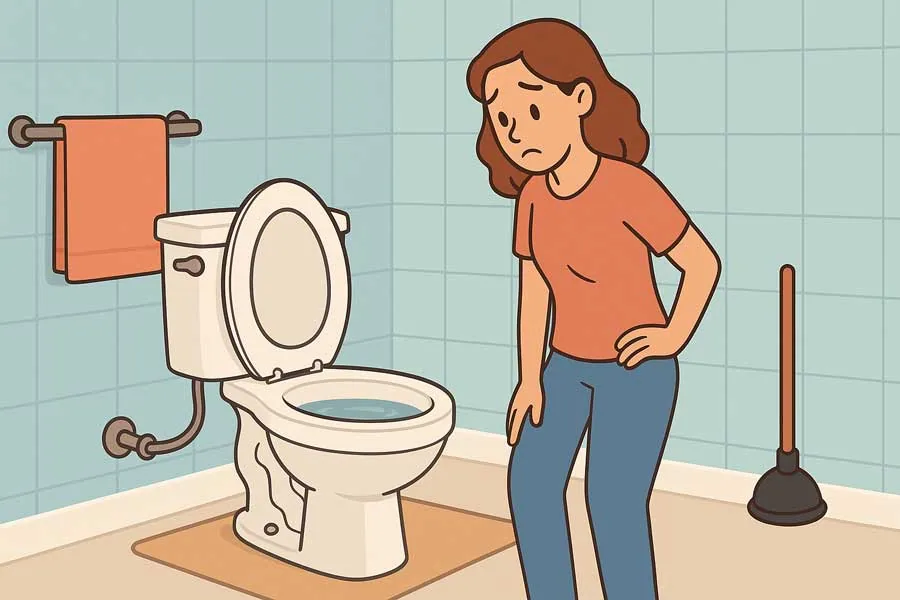
When a clogged toilet hits, it feels urgent and stressful. The bowl rises, the panic rises, and every second counts. Take a breath. Most clogged toilet problems are simple, safe fixes you can handle with a few household items and a calm plan. This guide gives you eight clear, step-by-step answers so you can stop an overflow, clear the blockage, and prevent the next clogged toilet.
We will walk you through what to do first, how to plunge the right way, when to try an auger, and what not to do. You will also find quick answers to popular questions people search for during a clogged toilet crisis. If at any point you want a licensed pro, Smart Choice Plumbing & Drains can help 24/7 at (805) 340-1810.
Table of Contents
- Step 1: Stop the overflow fast
- Step 2: Make the scene safe and gather tools
- Step 3: Dish soap and hot water the right way
- Step 4: Plunge like a pro
- Step 5: Use a toilet auger for stubborn clogs
- Step 6: Test, tidy, and sanitize
- Step 7: Know when to call a pro
- Step 8: Prevent the next clogged toilet
- FAQ: Quick answers to the top nine questions
- Need help now? Contact and next steps
- Sources
Step 1: Stop the overflow fast
If water is rising in the bowl of a clogged toilet, do not flush again. Lift the tank lid. Press the rubber flapper down gently to stop water from entering the bowl. Then turn the silver shutoff valve on the wall behind the toilet clockwise to stop the water supply. These two moves prevent overflow and give you breathing room to work on the clogged toilet.
Bonus move: If the bowl is filled near the rim, remove some water first. Use a small container or cup to bail water into a bucket. This reduces splash risk when you plunge a clogged toilet.
Step 2: Make the scene safe and gather tools
Gloves on. Towels or a trash bag around the base of the toilet. Keep kids and pets out of the room. Then gather what you need to clear a clogged toilet quickly and safely:
- Flange plunger: This is the plunger made for toilets. It has a fold-out sleeve that seals the bowl outlet better than a flat cup plunger.
- Dish soap and hot tap water: A little liquid soap reduces friction in the trap. Hot tap water adds gentle force. Avoid boiling water on porcelain.
- Toilet auger: Also called a closet auger. It is a short, curved drain snake designed for toilets so you can reach a clog just past the trap without scratching the bowl.
- Bucket and disinfectant: For cleanup when you finish restoring the clogged toilet to normal.
Avoid chemical drain cleaners. Most chemical products are not recommended for toilets. They can generate heat, damage the wax ring or porcelain, and create dangerous splash-back if you plunge afterward.
Step 3: Dish soap and hot water the right way
Pour about half a cup of liquid dish soap into the bowl of the clogged toilet. Wait 5 to 10 minutes so it can coat the trap. Follow with 1 to 2 quarts of hot tap water from the tub or sink. Hot is helpful. Boiling is risky. The goal is to lubricate and gently push the clog toward the drain, not shock the porcelain.
Give it a minute. If the water slowly lowers, add another quart of hot tap water and wait again. If the level does not move after a few minutes, move to plunging the clogged toilet.
Step 4: Plunge like a pro
Extend the flange on your plunger. Insert it into the bowl outlet and press down to create a tight seal. Make sure the plunger cup is fully submerged. If needed, add water to cover the cup. Correct technique turns a stubborn clogged toilet into a quick win.
- Motion: Start gently to avoid splashing. Then pump firmly 10 to 15 times without breaking the seal. You are creating push-pull pressure waves that dislodge the clog.
- Check: Remove the plunger. If water drains away, you likely cleared it. If not, repeat two more rounds on the clogged toilet.
- Reset the tank: Open the shutoff valve. Lift the flapper briefly to allow some tank water to refill the bowl. Do a test flush only if the bowl is back to a normal level.
Many clogged toilet issues clear with correct plunging. If yours remains unmoved after three solid rounds, bring in the toilet auger.
Step 5: Use a toilet auger for stubborn clogs
A toilet auger safely reaches beyond the trap bend. Place the plastic sleeve of the auger into the bowl outlet to protect the porcelain. Crank the handle clockwise as you gently feed the cable into the trap. When you feel resistance, keep turning to break through or hook the obstruction. Pull the cable back while cranking to avoid scratches. Repeat as needed, then try another plunge cycle to finish clearing the clogged toilet.
What an auger can handle: Tough paper clumps, small toys, wipes, or a wad of dental floss. If the auger stops hard at the same distance every time, the clog might be deeper in the line, or there may be a foreign object that should not be forced. That is your sign to call a pro for the clogged toilet and drain line.
Step 6: Test, tidy, and sanitize
Once the bowl drains freely, restore the water supply if you turned it off. Do one gentle test flush. Watch the bowl and listen for a strong siphon. If the flush looks weak or slow, run another round of plunging to clear remaining paper. Then disinfect surfaces, mop the floor, and wash hands thoroughly after the clogged toilet repair.
Optional maintenance step: If you have recurring slow toilets, consider an enzyme-based drain treatment used exactly as labeled. These products help digest organic buildup in drain lines over time. They are not instant uncloggers but can reduce future clogged toilet issues when used regularly and correctly.
Step 7: Know when to call a pro
Call a licensed plumber if any of the following are true:
- Repeated clogs: More than one clogged toilet in the home, or clogs that return within days.
- Overflow and sewage backup: Water or waste coming up in showers or tubs when you flush.
- Foreign object: You suspect a small toy, deodorizer block, or other solid object is lodged in the trap.
- Older fixtures or weak flush: Persistent poor performance can indicate venting issues, partial mainline blockage, or a failing toilet.
Smart Choice Plumbing & Drains offers 24/7 emergency service, same-day solutions, and honest options. If you want us to take it from here, call (805) 340-1810 or schedule through our Emergency Plumbing page. We will clear your clogged toilet fast and fix the root cause.
Step 8: Prevent the next clogged toilet
Prevention is simple and saves money. A little routine care and some clear house rules go a long way in avoiding a clogged toilet.
- Only the big three: Human waste, toilet paper, and water. Nothing else. Wipes that say “flushable” still cause clogged toilet headaches.
- Right paper, right amount: Choose standard, septic-safe toilet paper and use less per flush. Two flushes are cheaper than a clogged toilet service call.
- Lid down with kids and pets: Prevent toys and objects from falling in and creating a clogged toilet.
- Mind the tank: Skip in-tank bricks that can decay and shed debris. Use quality flappers and fill valves that support a strong flush and reduce clogged toilet risks.
- Good flushing habits: Hold the handle long enough for a full flush on older toilets. Avoid partial flushes that leave paper behind and lead to a clogged toilet.
- Seasonal checkup: If you regularly get slow drains or gurgling, book a professional inspection before it becomes a late-night clogged toilet emergency.
FAQ: Quick answers to the top nine questions
What can I pour down my toilet to unclog it?
Start with a half cup of liquid dish soap followed by one to two quarts of hot tap water. Give it 5 to 10 minutes to lubricate the trap and soften paper inside the clogged toilet. Avoid chemical drain cleaners and avoid boiling water. If soap and hot water do not work, move to a plunger or a toilet auger, or call a professional.
How to unblock a badly blocked toilet?
Stop the overflow, then use a flange plunger with a tight seal and strong push-pull strokes for 10 to 15 pumps. Repeat two or three times. If that fails, use a toilet auger to break through or pull back the obstruction. Still blocked after several careful attempts, or you suspect a foreign object, or multiple fixtures are slow at once, contact a pro for your clogged toilet.
What not to do when unclogging a toilet?
Do not keep flushing a rising bowl. Do not use chemical drain cleaners intended for sinks. Do not pour boiling water into a porcelain bowl. Do not use a metal snake made for sinks that can scratch the glaze. Do not force an obstruction if you feel a hard stop with the auger. When in doubt, stop and get help for the clogged toilet.
How long will a clogged toilet eventually unclog itself?
Some soft paper clogs break down within a few hours. Many do not. Waiting can lead to slow leaks, hidden overflows, or a worse blockage. If you cannot clear the clogged toilet with the steps above in 20 to 30 minutes, take a break and try again, or schedule service. Quick action beats water damage every time.
Can I pour boiling water down my toilet to unclog it?
Skip boiling water. Boiling water can stress or crack porcelain and can soften wax seals. Use hot tap water instead. It is plenty warm to help loosen paper without risking damage to the clogged toilet.
What does pouring salt in your toilet do?
Salt by itself does not reliably clear a clogged toilet. In some online tips it is paired with hot water to try to break down grease. Toilets usually clog from paper, wipes, or objects, not cooking grease. Salt can sit in the trap and do nothing useful. Stick to dish soap, hot tap water, plunging, and a toilet auger.
Does pouring water down a toilet unclog it?
Pouring hot tap water from waist level can help push a soft clog through the trap, especially after dish soap. It works best as part of a plan with plunging the clogged toilet. If the bowl is already full, remove some water first so you do not spill.
What are two things you should never flush down a toilet?
Only two? We can give you a dozen, but here are two big ones: wipes of any kind and feminine hygiene products. Add cotton swabs, dental floss, paper towels, kitty litter, and “flushable” wipes to the list. They tangle, swell, and snag in the trap or sewer line and create a clogged toilet.
Does Dawn and hot water unclog a toilet?
Dish soap and hot tap water can lubricate the trap and help break down soft paper clogs. It is safe, cheap, and worth trying before you plunge a clogged toilet. It will not dissolve a solid object. If plunging after soap does not work, use a toilet auger or call a professional.
Need help now? We are ready 24/7
If you tried the steps above and your clogged toilet still will not cooperate, or you would rather skip the mess, Smart Choice Plumbing & Drains is one call away. We clear clogs, remove foreign objects, and fix weak flush issues fast. We also inspect for deeper problems like partial mainline blockages or venting issues that cause a recurring clogged toilet.
- 24/7 Emergency Service: Nights, weekends, and holidays.
- Upfront options: You choose the solution that fits your home and budget.
- Local pros: Honest, neighborly service backed by experience.
Call (805) 340-1810, reach us through Emergency Plumbing, or browse more services at Residential Plumbing. If you are a business with a restroom out of commission, we can help you too through our Commercial Plumbing. Ask about Financing Options if your clogged toilet points to a bigger repair.
Troubleshooting guide: quick scenarios
- The bowl fills slowly after each flush: Likely a partial blockage or weak flush. Try a full-seal plunge. If it keeps returning, book an inspection for deeper buildup that can trigger a clogged toilet again.
- Gurgling in a nearby shower or tub when you flush: This suggests a venting issue or a mainline restriction. Stop using fixtures and call a professional before it becomes a full clogged toilet and drain backup.
- A toy was dropped in the bowl: Do not keep flushing. Use a toilet auger to retrieve it or call us. Pushing it farther can turn a simple clogged toilet into a bigger repair.
- Septic system present: Go gentle. Avoid chemicals and heavy use while you troubleshoot. If multiple fixtures slow at once, call a pro. That protects your system and prevents another clogged toilet.
Why toilets clog in the first place
Understanding the “why” helps you pick the right fix. Most clogged toilet events happen in the S-shaped trap built into the bowl. This trap seals sewer gas out of your home with water. It also narrows the flow path, which is why wad-style clogs form there. The next common spot is just beyond the toilet where the drain line turns. Objects and wipes can snag at changes in direction or at rough joints in older piping.
Low-flow toilets from early generations can clog more because of weak siphon action. Modern high-efficiency models perform better, but any toilet will clog with the wrong items or too much paper. Good news, the steps in this guide address the most common causes and restore a clear path quickly when you face a clogged toilet.
Plunger technique refresher
If plunging did not work before, these refinements help on a stubborn clogged toilet:
- Seal first: Seat the flange in the outlet, then tilt the plunger slightly to burp trapped air. Air compresses. Water moves force.
- Rhythm matters: Aim for steady strokes rather than frantic ones. You are sending pressure waves, not mixing soup.
- Refill the bowl: After each round, add enough water to submerge the cup before the next set of strokes.
- Know when you are done: A sudden drop in the bowl or a strong glug sound means the trap cleared and the clogged toilet is fixed.
Auger confidence boost
A toilet auger is less intimidating than it looks. It has a protective sleeve to shield the bowl and a curved guide to follow the trap. Turn the handle while feeding the cable. If you hook a soft item like wipes, pull it back. If you punch through a wad of paper, the bowl will usually drain. Rinse the cable in a bucket with disinfectant and store it in a plastic bag when you finish tackling the clogged toilet.
Healthy home, healthy plumbing
Keep a small toolkit under the sink: gloves, flange plunger, enzyme treatment, and a toilet auger. Post a friendly reminder for guests and kids on what not to flush. Consider upgrading older toilets that struggle to clear even small amounts of paper. Regular drain maintenance and mindful habits keep your bathroom stress-free and help you avoid the next clogged toilet.
Final word
A clogged toilet is inconvenient, but it does not have to ruin your day. With dish soap, hot tap water, a proper plunger, and a toilet auger, most homeowners can solve the issue in minutes. If you prefer hands-off help, or your clogged toilet keeps returning, Smart Choice Plumbing & Drains will get everything flowing again with clean, respectful service.
Ready for backup? Call (805) 340-1810 or visit Emergency Plumbing to get help now.
Sources
- EPA WaterSense – Residential Toilets: https://www.epa.gov/watersense/residential-toilets
- CDC Healthy Water – Emergency Preparedness and Sanitation: https://www.cdc.gov/healthywater/emergency/index.html
- University of Michigan – What Not to Flush and Why Wipes Clog Pipes: https://environment.umich.edu/news-event/what-not-to-flush/
- This Old House – How to Unclog a Toilet: https://www.thisoldhouse.com/plumbing/21017346/how-to-unclog-a-toilet