
Introduction
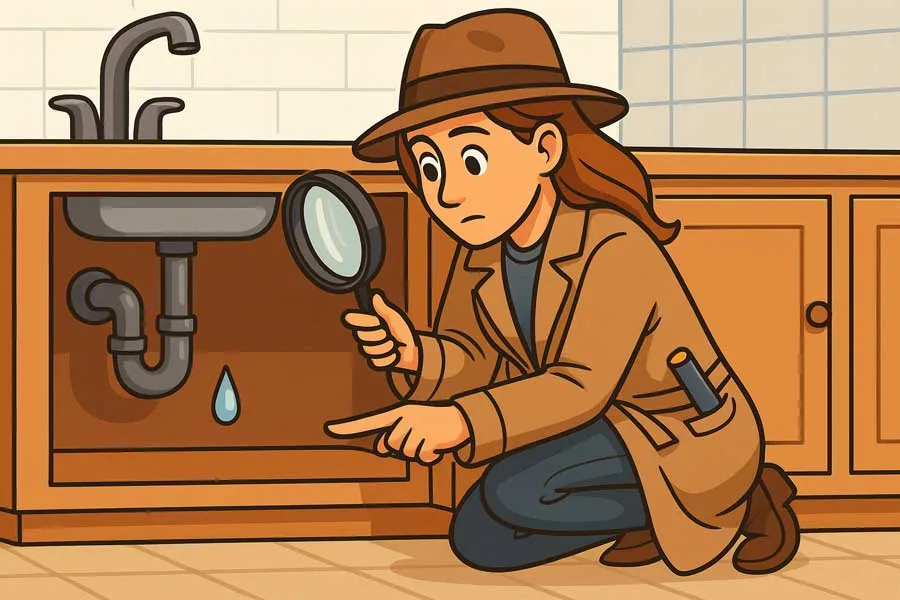
Hidden leaks can turn into major headaches if left unchecked. Even a small drip behind a wall or beneath a slab can lead to mold growth, structural damage, and skyrocketing water bills. In this guide we will explore proven methods to detect hidden leaks before they become full-blown emergencies. Whether you are a renter or a homeowner in Ventura or Santa Barbara Counties, understanding how to spot early warning signs will save you time, money, and stress. Ready to become a leak detective? Let’s get started.
Why Detect Hidden Leaks Early Is Important
Leaks may start small but grow quickly over time. A single drop per second adds up to more than 3,000 gallons of wasted water each year. That is enough to wash over 180 loads of laundry. Beyond wasted water, hidden leaks can warp wood flooring, damage drywall, and feed dangerous mold spores. Detecting leaks early means you can repair a simple faucet seal rather than tearing out walls or replacing large sections of plumbing. Regular checks protect your home value and keep your family safe from water-related hazards.
How Much Water Do Household Leaks Waste?
The U.S. Environmental Protection Agency estimates that the average household’s leaks can account for more than 10,000 gallons of water wasted every year. That is the amount needed to wash nearly ten months’ worth of laundry. Nationwide leaks waste over one trillion gallons of water annually. Ten percent of homes have leaks that waste more than 90 gallons per day. By finding hidden leaks quickly you play a part in conserving water and reducing your utility bills.
Common Sources of Hidden Leaks
- Toilet Flappers and Fill Valves – Worn rubber flappers or corroded fill valves can allow water to trickle from the tank into the bowl without visible signs.
- Under-sink Supply Lines – Flexible braided hoses and shut-off valves can develop hairline cracks or loose connections beneath cabinets.
- Shower and Tub Fixtures – Valve stems and cartridge seals often degrade over time, causing slow drips behind walls.
- Slab-on-Grade Pipes – Copper or plastic pipes beneath concrete floors can corrode or crack, leading to moisture that seeps up through grout lines.
- Irrigation and Outdoor Spigots – Underground sprinkler lines and hose bibs can leak under pressure, often undetected until water pools on the surface.
Signs You May Have a Hidden Leak
Look for these warning signs to catch leaks in their infancy:
- Unexplained Increase in Water Bill – Compare usage month to month. A sudden jump without new appliances or changes in habits often signals a leak.
- Water Meter Running When All Fixtures Are Off – Check your meter at night when no water is being used. Continued movement indicates a leak.
- Stains or Discoloration – Yellow, brown, or green stains on ceilings, walls, or floors point to moisture intrusion.
- Mold or Mildew Growth – Musty odors and black or green spots on walls or tile grout reveal chronic moisture.
- Soft or Sagging Flooring – Wood floors may warp or feel spongy over a leak beneath a slab or subfloor.
- Sound of Running Water – A faint whisper of water behind walls or under floors when all faucets are off often means a hidden flow.
DIY Methods to Detect Hidden Leaks
Before calling a professional, try these simple tests:
- Water Meter Test – Turn off all fixtures and appliances that use water. Note the meter reading, wait two hours without using water, then check again. Any change means water is escaping somewhere.
- Toilet Dye Test – Add a few drops of food coloring to the toilet tank. Do not flush. If color appears in the bowl within 15 minutes, the flapper or seal is leaking.
- Visual Fixture Inspection – Place dry paper towel or cardboard under supply lines, valves, and pipe connections. Check after several hours for dampness.
- Check Under Cabinets – Slide trays under sinks and look for puddles or corrosion on the faucet tailpieces.
- Examine Outdoor Areas – Walk your lawn after irrigation. Soggy patches where grass is greener may signal a broken sprinkler line.
Advanced Tools and Techniques for Leak Detection
If DIY methods point to a possible leak but you cannot locate it, consider advanced tools:
- Acoustic Listening Devices – Specialized microphones amplify the sound of water flowing through pipes inside walls or under slabs.
- Infrared Thermal Imaging – Infrared cameras detect temperature differences caused by moist areas behind drywall or under flooring.
- Moisture Meters – Handheld meters measure moisture content in wood or drywall and help pinpoint damp spots invisible to the naked eye.
- Video Camera Pipe Inspection – A waterproof camera on a flexible rod travels through pipes to locate cracks or joint failures.
Checking the Water Meter
Knowing how to use your water meter is a critical step. Most meters have a small dial called a leak detector or low flow indicator that spins with any water movement. To test:
- Record the current meter reading and ensure no taps, appliances, or irrigation systems are running.
- Do not use any water for at least one hour.
- Recheck the meter. Even a slight dial movement indicates a leak.
- For more information on water saving fixtures and leak prevention visit our Services page.
Inspecting Fixtures and Valves
Fixtures and valves are common leak points. Follow these steps:
- Turn off the shut-off valve beneath sinks. Place a dry paper towel around the valve stem and fitting. Check after a few hours for moisture.
- Inspect faucet handles and cartridge assemblies. Replace worn washers or cartridges at home using basic tools.
- Examine under each bathroom sink and behind the toilet base. Tighten slip nuts on P-traps if you see drips.
Testing Toilet Leaks
Toilets account for nearly 30 percent of indoor leaks. Easy testing can save thousands of gallons per year:
- Remove the tank lid and observe the flush valve assembly for worn rubber flappers.
- Place a few drops of food coloring in the tank. Wait 15 minutes without flushing. If colored water appears in the bowl, replace the flapper.
- Adjust or replace the fill valve if you hear continuous trickling or see water level rising above the overflow tube.
Looking for Slab Leaks
Slab leaks occur when water lines under a concrete slab crack. Signs include:
- Warm spots on the floor or carpet when hot water lines leak.
- Unusually high humidity in the home or condensation on walls.
- Crumbling grout lines or damp spots on the foundation wall.
- Use a thermal imaging device or hire a professional for non-destructive leak locating.
Detecting Outdoor Leaks
Hidden irrigation or outdoor supply line leaks often go unnoticed until turf damage appears:
- Turn off all irrigation and outdoor faucets. Watch the water meter for movement.
- Inspect sprinkler heads for wet soil around the base when the system is off.
- Listen for hissing sounds near buried lines.
- Consult our Areas We Serve page to see if underground leak detection is available in your neighborhood.
Preventive Maintenance Tips to Avoid Leaks
Once you have located and repaired leaks it is wise to adopt preventive habits:
- Install WaterSense labeled fixtures. They use less water and reduce stress on valves and seals.
- Schedule annual inspections for under-slab piping and exterior irrigation lines.
- Operate shut-off valves periodically to prevent mineral buildup and ensure they turn freely.
- Maintain consistent indoor temperatures. Extreme freezing or overheating can damage pipes.
- Flush water heater tanks yearly to remove sediment that accelerates corrosion.
When to Call a Professional
Some leaks require expert tools or skills beyond DIY methods. Contact Smart Choice Plumbing & Drains if you experience any of these:
- Inability to locate the leak after meter testing and visual inspection.
- Slab or underground leaks suspected beneath concrete or landscaping.
- Water damage that threatens structural elements or electrical systems.
- Persistent mold or mildew despite visible repairs.
How Smart Choice Plumbing & Drains Can Help
At Smart Choice Plumbing & Drains we combine advanced diagnostic tools with local expertise to find and fix hidden leaks quickly. Our certified technicians use acoustic devices, thermal imaging, and video inspection to pinpoint leaks with minimal disruption. Serving Ventura and Santa Barbara Counties, we provide transparent quotes, fast response times, and lasting repairs. Visit our Services page to learn more or schedule online via our Contact page today.
Conclusion
Hidden leaks are sneakier than a dripping sink faucet. Catching them early through meter tests, visual inspections, and advanced diagnostics keeps your plumbing system healthy and your home safe from water damage. With simple preventive tips and regular maintenance you can avoid emergencies and protect your investment. If you ever need professional assistance, Smart Choice Plumbing & Drains is just a phone call away. Let us help you detect and repair leaks before they turn into costly disasters.