
Table of Contents
- Why Emergency Plumbing Warning Signs matter
- What counts as an emergency vs routine repair
- Top Emergency Plumbing Warning Signs at home
- What to do in the first 10 minutes
- Simple habits that prevent emergencies
- FAQ
- Need help now
- Sources
Why Emergency Plumbing Warning Signs matter
Plumbing trouble rarely starts loud. It begins with a faint gurgle, a warm spot on the floor, or water pressure that is not what it used to be. Those little clues are Emergency Plumbing Warning Signs. Catch them early and you protect your home, your budget, and your peace of mind. Ignore them and you risk soaked drywall, warped flooring, mold growth, and expensive structural repairs.
This guide explains the specific symptoms to watch for, the smart steps to take right away, and how a licensed plumber can solve the problem fast. It is meant to be practical, friendly, and easy to use during a stressful moment. Bookmark it so you have it handy if a surprise strikes at 2 a.m.
What counts as an emergency vs routine repair
A plumbing emergency is any problem that risks water damage, sewage exposure, loss of essential service, or a safety hazard if you wait. Think of three questions to decide quickly:
- Will damage get worse if I wait More water, more contamination, or more pressure usually means yes.
- Is health or safety at risk Sewage, scalding hot water, gas odors, and shock hazards require urgent action.
- Is essential service down No water, no drain function, or no safe hot water is urgent.
When in doubt, treat it as an emergency. A quick call can save a costly repair later. You can always move a same-day visit to a scheduled appointment if we find that the situation is stable.
Top Emergency Plumbing Warning Signs at home
1. Multiple drains gurgling or backing up
One slow sink might be a hair clog. Several fixtures gurgling at once points to a main drain or sewer issue. Toilets that bubble when you run the sink or shower are classic warning signs. If wastewater is coming up in tubs or floor drains, stop using water and call for help right away. Sewage exposure is a health hazard and can spread quickly.
2. Water stains on ceilings or walls
Spreading brown rings on a ceiling or a soft, blistered wall often signal an active leak in a supply line or a drain. If the stain is growing, place a bucket beneath the area if possible and shut off water to the fixture. Hidden leaks can saturate insulation and framing, so fast action matters.
3. A warm or wet spot on a slab floor
Warm tile or a darkened concrete spot can mean a hot or cold water line is leaking under the slab. Slab leaks can undermine flooring, increase humidity, and waste thousands of gallons. Early detection saves you from larger repairs later.
4. Sudden drop in water pressure
A whole-house pressure drop without city work on your block is suspicious. It can indicate a hidden supply line leak, a failing pressure reducing valve, or an issue at the meter. If the drop is severe or accompanied by new water sounds in walls, treat it as an emergency.
5. Sounds of running water when everything is off
If you hear a constant hiss, trickle, or rush with no fixtures in use, you may have an active leak. Check your water meter. If the indicator is spinning with all fixtures off, you have flow somewhere that needs attention.
6. Water heater trouble and safety smells
Leaking tanks, scalding water, a sulfur or rotten egg odor, or popping sounds from sediment buildup are warning signs. Water heater leaks can rupture, and gas odors require immediate safety steps. Leave the area, avoid flames or switches, and contact your gas utility and a licensed plumber.
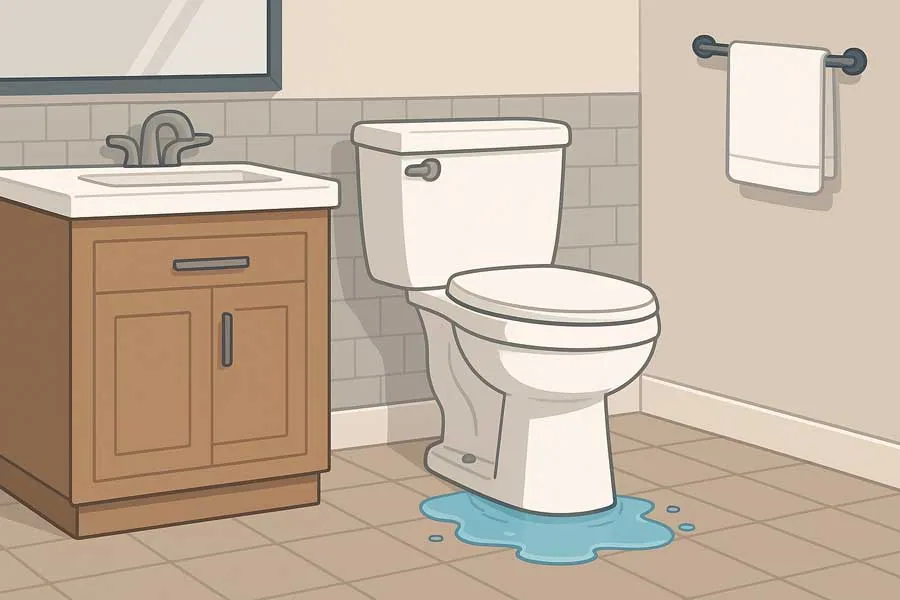
7. Repeatedly overflowing or clogged toilets
Plungers only go so far. If a toilet overflows repeatedly or clogs together with other fixtures, you may have a deeper blockage or a failing sewer line. Stop using water and call for service to prevent wastewater from spreading.
8. Backflow or water that looks dirty or has debris
Discolored water from a hot or cold tap, especially with sediment, can indicate corrosion or a failing heater. Backflow at floor drains or in low fixtures requires prompt attention to protect health and property.
9. Frozen or burst pipes
In colder snaps, pipes in uninsulated spaces can freeze. If a line bursts, shut off the main valve immediately and open faucets to relieve pressure. Even in mild climates, garage and exterior lines can fail during rare cold nights.
10. Outdoor flooding around cleanouts or sewer caps
Standing water near a cleanout or strong sewage odors outdoors often signal a blockage, root intrusion, or a broken lateral. Stop using water inside and get professional help to prevent wastewater from entering living spaces.
11. Constantly running or leaking fixtures
A dripping faucet may not feel urgent, but it wastes water and can signal high pressure or failing parts. If drips turn into a steady stream, shutoff valves can stick or fail. If a faucet will not turn off or a tub spout runs constantly, close the local valve or the main and call for rapid service.
12. Sump pump or ejector pump failure
If you rely on a pump to keep water out of a crawlspace or to move wastewater, a failure during a storm or power outage is an emergency. Audible alarms, continuous cycling, or a breaker that keeps tripping are red flags.
What to do in the first 10 minutes
These steps reduce damage while you wait for help. Keep this checklist handy.
- Shut off water Use the fixture valve first. If that does not stop the flow, use the home’s main shutoff.
- Kill power near water If water is close to outlets or appliances, turn off power at the breaker for that area. Stay safe around electricity.
- Protect valuables Move rugs, electronics, and furniture away from the wet area.
- Limit use Stop running water and avoid flushing if drains are backing up.
- Document Take photos and brief notes. If you file an insurance claim, documentation helps.
- Call a licensed plumber For urgent help any time, go to our 24/7 Emergency Plumbing page or call us directly.
Simple habits that prevent emergencies
Emergency Plumbing Warning Signs are far less stressful when you have a few easy routines in place. Start with these:
- Know your main shutoff Make sure everyone in the home knows where it is and how to use it.
- Install and test a pressure reducing valve Balanced pressure protects pipes, valves, and appliances.
- Use drain strainers and smart disposal habits Keep wipes, grease, and fibrous foods out of the drain.
- Schedule an annual inspection A quick walk-through with camera checks and valve exercises can catch small leaks early.
- Insulate exposed pipes Attics, garages, and exterior walls benefit from pipe insulation in cooler months.
- Maintain your water heater Flush sediment as recommended and replace aging tanks before they fail.
FAQ
What are some plumbing emergencies
Burst pipes, sewage backups, slab leaks, no water service, a leaking water heater, and any water leak that is soaking ceilings or walls qualify as emergencies. Gas odors and scalding temperature issues are also urgent. If there is active water damage or a health risk, treat it as an emergency and call for service.
What do plumbers consider an emergency
Anything that can cause significant damage, creates a safety hazard, or cuts off essential service. Examples include main drain clogs affecting multiple fixtures, a broken or leaking supply line, a failed shutoff that will not close, and water heater leaks. We also prioritize vulnerable customers who have only one working bathroom.
How urgent is a leaking pipe
Very urgent. Water spreads fast and can reach electrical systems and framing. Shut off the local valve or the main, collect dripping water in a bucket if safe, and call for same-day service. Early mitigation reduces repair costs and helps prevent mold growth.
Is a clogged toilet a plumbing emergency
If a single toilet clogs but other fixtures drain normally, try a plunger and stop there. If the toilet overflows repeatedly, affects other drains, or you have only one bathroom, it is an emergency. Turn off the water supply to the toilet and contact a plumber.
Is a leaky bathtub faucet an emergency
Usually not an emergency if the leak is a slow drip and you can shut the tub’s supply valves. It still wastes water and can indicate high pressure or worn parts, so schedule a repair. If the tub spout will not turn off or the leak becomes a steady stream, shut off the water and get help right away.
Is a leaky shower an emergency
A slow drip from the showerhead is usually routine. A valve that will not shut off, water running behind the wall, or water staining the ceiling below is urgent. Close the shower’s stops if available or shut off the main, then call for service.
What happens if you do not fix a leaky faucet
Small drips add up to high water bills and can stain fixtures and sinks. They also point to pressure problems or failing cartridges that can suddenly fail. Fixing a faucet early costs less than dealing with a stuck valve or a leak that worsens when parts give out.
How to tell if a tub faucet is leaking
Look for a steady drip at the spout, water streaming after the handle is off, or a hot pipe that stays warm when the tub is not in use. Listen for a faint hiss in the wall. If you can access the tub’s valve from behind, check for moisture. Shutoffs below the tub spout or behind an access panel can help you isolate the problem until a technician arrives.
Need help now
Emergency Plumbing Warning Signs can be stressful, but you are not alone. Our licensed team is on call day and night. If water is spreading or drains are backing up, head to our 24/7 Emergency Plumbing page or call us now for immediate dispatch.
Want to confirm we serve your neighborhood. Visit Areas We Serve. Prefer to spread out costs for a larger repair. Ask about financing options so you can fix the problem today and pay over time.
Sources
Centers for Disease Control and Prevention – Sewage Cleanup and Water Sanitation. https://www.cdc.gov/healthywater/emergency/
U.S. Environmental Protection Agency – Mold Basics and Cleanup. https://www.epa.gov/mold
U.S. Consumer Product Safety Commission – Home Water Heater Safety Tips. https://www.cpsc.gov/Safety-Education/Safety-Education-Centers/Home-Heating-Safety
SoCalGas – Natural Gas Leak Safety. https://www.socalgas.com/safety/gas-safety/natural-gas-leak-safety
Federal Emergency Management Agency – Before and After a Flood. https://www.ready.gov/floods
International Association of Certified Home Inspectors – Water Heater Expansion Tank and Pressure Issues. https://www.nachi.org/water-heater-expansion-tanks.htm