
Introduction
Clogged drains are one of the most common household annoyances. A slow or blocked sink can disrupt daily routines and even lead to unpleasant odors. The good news is that most minor clogs can be cleared safely and effectively with simple tools and eco-friendly methods. In this guide we will walk through everything you need to know to unclog your drains safely. From identifying the cause of the clog to choosing the right tools and preventive tips, you will feel confident tackling clogs in your kitchen, bathroom, or laundry room.
Why and When to Unclog Your Drains Safely
Attempting to clear a clog the wrong way can damage your pipes, fixtures, or finishes. Harsh chemical cleaners can eat away at pipe walls and irritate skin or eyes. Improper use of mechanical tools can scratch porcelain or push the clog deeper into the system. By following safe methods, you protect your plumbing investment and avoid costly repairs. Check your drains whenever water begins to drain slower than normal or you notice gurgling sounds in nearby fixtures. Taking action early prevents full blockages and backups that require professional intervention.
Common Causes of Clogs
- Hair and Soap Scum – In bathroom sinks and tubs, hair mixes with soap residue to form sticky clumps that cling to pipe walls.
- Food Particles and Grease – In kitchen sinks, food scraps, oil, and fat can solidify and narrow the pipe diameter.
- Mineral Buildup – Hard water leaves scale deposits that accumulate over time and restrict flow.
- Foreign Objects – Small items like jewelry, cotton balls, or pet fur can accidentally enter drains and cause blockages.
- Tree Roots – In older homes, roots can invade sewer lines and create severe backups that require professional service.
Tools and Materials You Will Need
- Rubber Plunger – A cup-style plunger designed for sinks and tubs.
- Drain Snake or Hand Auger – A flexible coil that can reach deeper clogs in the P-trap or main drain line.
- Bucket and Towels – To catch water when removing traps or fittings.
- Gloves and Eye Protection – To keep your hands and eyes safe from debris and splash-back.
- Old Wire Coat Hanger – Straightened, it can remove hair near the drain opening.
- Baking Soda and Vinegar – Natural ingredients that react to help dissolve organic buildup.
- Hot Water – To help flush loosened debris after clearing the clog.
Step 1: Prepare Your Workspace
Before you begin, clear the area around the sink or tub. Remove any items under the sink and place towels around the base. Position a bucket under the P-trap if you plan to remove it. Put on gloves and eye protection to shield against splash-back. Run a small amount of water to ensure your plunger or snake will seal properly. A well prepared workspace reduces cleanup time and keeps your home safe during the unclogging process.
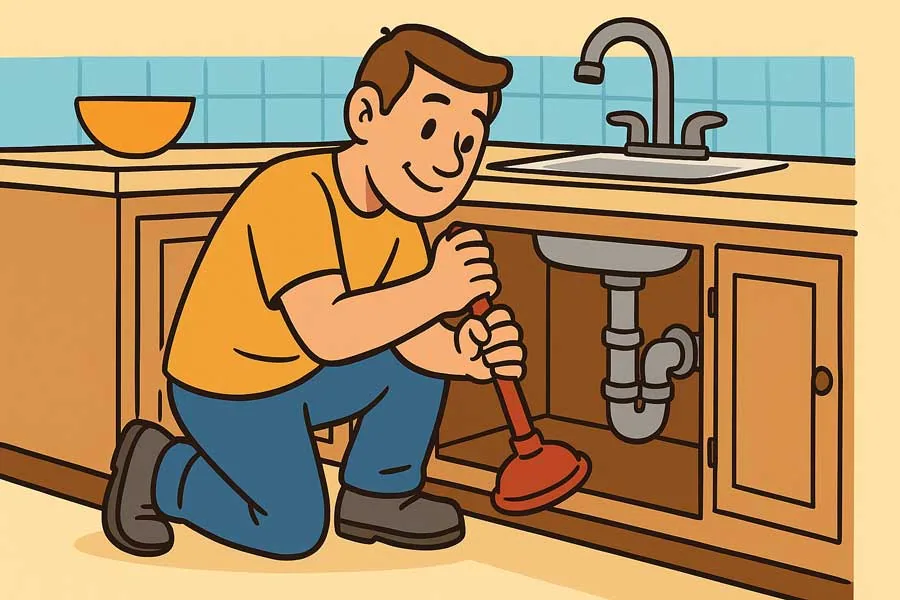
Step 2: Use a Plunger Correctly
Plungers are one of the simplest and most effective tools for minor clogs. To plunge your sink or tub:
- Seal the Overflow – Cover any overflow openings with a wet cloth so pressure builds only in the drain.
- Position the Plunger – Center the cup over the drain opening and maintain a firm seal.
- Plunge Vigorously – Use quick up-and-down motions while keeping the seal intact. You should feel suction and release. Repeat 10 to 15 times.
- Test the Flow – Remove the plunger and run water to see if the clog has cleared. Repeat if needed.
If the clog persists, move on to the next method. Avoid over-plunging, which can damage seals or splash dirty water onto surrounding surfaces.
Step 3: Try a Drain Snake
A drain snake or hand auger can reach deeper clogs that a plunger cannot. To use a snake:
- Insert the Coil – Feed the snake tip into the drain until you feel resistance.
- Rotate the Handle – Turn the handle clockwise to break up and hook the clog. Keep feeding the coil as you rotate.
- Retrieve the Debris – Slowly pull the snake out and clear any debris from the coil.
- Flush with Hot Water – Once material is removed, run hot tap water to rinse loose particles down the pipe.
For bathroom sinks, you may need to remove the P-trap to access the clog directly. Place a bucket underneath and loosen the slip nuts by hand. Inspect the trap and clear any visible debris before reassembling.
Step 4: Use Natural Cleaning Solutions
Chemical cleaners can harm pipes, fixtures, and the environment. A safer option is a baking-soda and vinegar treatment:
- Add Baking Soda – Pour one cup of baking soda down the drain.
- Follow with Vinegar – Slowly pour one cup of white vinegar. You will see fizzing and bubbling.
- Let It Sit – Wait 30 to 60 minutes for the reaction to work on organic buildup.
- Flush with Hot Water – Boil a kettle and pour the hot water down the drain to clear loosened debris.
This method is safe for most pipes and helps maintain clean walls between deeper mechanical cleanings.
Step 5: Preventive Maintenance
The best way to avoid clogs is to prevent them in the first place. Incorporate these habits into your routine:
- Use Drain Screens – Install mesh screens in showers, tubs, and sink drains to catch hair and large particles.
- Avoid Pouring Grease – Never pour cooking oil or fat down kitchen sinks. Collect it in a container and discard with the trash.
- Run Hot Water Weekly – At least once a week, run hot water for one minute in all drains to help clear minor buildup.
- Quarterly Enzyme Treatment – Use a biological cleaner from our Services page to keep line walls free of grease and organic residue.
- Annual Video Inspection – Schedule a camera inspection through our Contact page to catch hidden issues early.
When to Call a Professional
Some clogs are too stubborn or too deep for DIY methods. Contact Smart Choice Plumbing & Drains if you notice any of the following:
- Multiple Slow Drains – If more than one drain is slow at the same time, it could mean a main line blockage.
- Water Backing Up – If water backs up into other fixtures when you flush or run a different drain.
- Persistent Odors – Foul smells that linger despite cleaning indicate buildup deep in the system.
- Visible Pipe Damage – Cracks or leaks around joints require professional repair.
Learn more about where we work on our Areas We Serve page, or get in touch via our Contact page. Our licensed technicians use advanced tools to clear even the toughest blockages safely and effectively.
Additional Safe Practices
- Avoid Mixing Chemicals – Never combine chemical drain cleaners with other solutions. Reactions can be dangerous.
- Ventilate the Area – Open windows or turn on fans to prevent buildup of fumes when using cleaning solutions.
- Protect Finishes – Cover sink basins with a cloth when plunging to prevent scratches or chips.
- Keep Children and Pets Away – Store tools and cleaners out of reach during and after use.
Conclusion
By following these safe unclogging methods, you will keep your drains flowing freely and protect your plumbing investment. Simple tools like plungers and snakes, combined with natural treatments and good maintenance habits, can prevent most clogs. For tougher blockages or recurring issues, rely on Smart Choice Plumbing & Drains. Our experts are ready to provide fast, friendly service in Ventura and Santa Barbara counties. Schedule a service or get a quote through our Contact page today.