
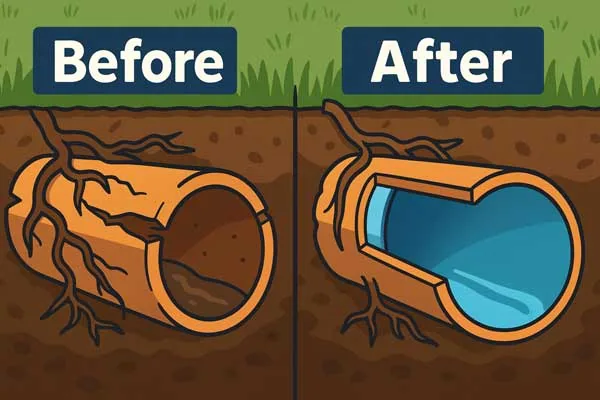
What Is Trenchless Sewer Line Replacement The Ultimate No Dig Fix
Picture this. Your drains keep backing up, the yard is finally looking great, and a plumber tells you the sewer line needs to be replaced. You imagine trenches across the lawn, torn-up concrete, and days of noise. The good news is there is another path. It is called trenchless sewer line replacement, and it repairs or replaces damaged pipes with minimal digging, faster timelines, and far less mess.
In this guide, we will walk through what the process looks like, how it works, when it is the right choice, and what it usually costs. We will also compare it to traditional excavation, share homeowner tips, and answer the most common questions people ask once they start researching trenchless sewer line replacement. If you are looking for a practical, low-stress route to sewer pipe repair, you are in the right place.
Table of Contents
- What Is Trenchless Sewer Line Replacement
- How Trenchless Methods Work
- Benefits for Homeowners
- When Trenchless Is a Good Fit
- Trenchless vs. Traditional Excavation
- Typical Costs and What Affects Price
- How Long It Takes
- Service Life and Durability
- Step-by-Step: From First Call to Final Clean-Up
- How to Choose the Right Contractor
- How to Prepare Your Home
- Aftercare and Preventive Tips
- FAQ
- Next Steps
- Sources
What Is Trenchless Sewer Line Replacement
Trenchless sewer line replacement is a modern way to rehabilitate or swap out a failing sewer pipe without digging a long trench. Instead, technicians access the line through small entry points, then repair or replace the pipe from the inside. The two most common approaches are cured-in-place pipe lining, often called CIPP or “pipe lining,” and pipe bursting, which breaks the old pipe while pulling in a brand-new one along the same path.
Both options aim to restore flow, stop leaks, and protect your home and yard with minimal disruption. For many properties this method turns what used to be a multi-day excavation into a one-day project. That is why so many homeowners choose trenchless sewer line replacement when they want a cleaner, faster answer to sewer pipe repair.
How Trenchless Methods Work
There are several techniques. Your plumber will recommend the best one after a camera inspection and condition assessment.
- Cured-In-Place Pipe (CIPP) Lining. A flexible liner saturated with resin is inserted into the pipe, expanded to fit, and cured until it hardens. The result is a new, jointless pipe inside the old one. Many projects are completed in a single day, and service can be restored soon after curing. Industry sources report typical same-day completion and curing within hours for many residential jobs, which keeps downtime low (see Sources).
- Pipe Bursting. A bursting head is pulled through the old line to fracture it outward while towing a new high-density pipe into place. This is ideal when a pipe is collapsed, undersized, or too damaged for lining. Municipal and residential projects use pipe bursting to avoid open trenches across streets or landscaped yards (see Sources).
- Spot Repairs and Hybrid Solutions. Sometimes a short damaged section can be lined as a “spot repair,” or a segment is replaced with pipe bursting and the rest is lined. A good contractor will match the method to the problem, not the other way around.
Benefits for Homeowners
- Minimal digging. Small access pits at ends of the line instead of a long trench across the property.
- Faster completion. Many trenchless sewer line replacement projects finish in one day, while dig-and-replace can take several days or longer.
- Lower landscape impact. Lawns, trees, patios, and driveways often remain undisturbed or need only small patches.
- Durable results. Properly installed liners and replacement pipes are designed to last decades. Service life often rivals a brand-new pipe.
- Cost control. Total project costs are competitive because you avoid major restoration of landscaping, concrete, and hardscapes.
- Safety and cleanliness. Less soil to haul and less dust and debris around your home.
When Trenchless Is a Good Fit
Trenchless sewer line replacement works well for many common issues, including root intrusion, cracks, corrosion, offset joints, and aging clay or cast-iron lines. It is also a smart solution when the line runs under a driveway, patio, sidewalk, mature tree, or a finished space you would rather not dig up. If the pipe is fully collapsed or has severe belly sections, pipe bursting may be the better trenchless option, since it installs an entirely new pipe.
Every property is different. A professional camera inspection will confirm whether lining, bursting, or a short excavation is the right path to reliable sewer pipe repair.
Trenchless vs. Traditional Excavation
- Excavation footprint. Trenchless methods use small access points. Traditional replacement requires a long trench to expose the entire pipe.
- Project length. Trenchless is often a same-day or one-to-two-day project. Traditional replacement frequently takes several days and involves restoration afterward.
- Restoration costs. Trenchless avoids re-pouring large concrete slabs or re-sodding lawns. That savings can be significant.
- Suitability. Trenchless is not perfect for every situation. A collapsed pipe with major offsets might need partial excavation or pipe bursting instead of lining. An honest contractor will explain the tradeoffs and show you footage from the camera inspection so you can make an informed choice.
Typical Costs and What Affects Price
Homeowners often ask, “What will this cost me?” Prices vary with length of pipe, depth, method, number of access pits, soil conditions, and how many connections or cleanouts are needed. Industry guides put many residential trenchless sewer line replacement projects in the low-to-mid four figures, with ranges that commonly land between a few thousand dollars and five figures for long or complex runs. Cost guides also break down per-foot pricing for lining and bursting so you can estimate based on your pipe length (see Sources).
Here is what drives price up or down:
- Pipe length and diameter. Longer or larger pipes cost more.
- Access. If access is simple at both ends, you save on labor. Limited access or deep connection points can add time.
- Method. Lining and bursting have different material and equipment costs.
- Condition. Heavily scaled, offset, or collapsed lines may require more prep work or a hybrid approach.
- Permits and inspections. Local requirements can influence the final price.
How Long It Takes
Most homeowners are surprised by the speed. After cleaning and prep, many trenchless lining jobs cure within hours, and service is restored the same day. Other projects, like full replacements with pipe bursting, typically finish in one to two days for a residence. The big time saver is the lack of open trenches and extensive restoration afterward. You get back to normal faster with trenchless sewer line replacement than with dig-and-replace in most cases (see Sources).
Service Life and Durability
Longevity is a strong point. High-quality CIPP liners and modern replacement pipes are built to last decades. Industry resources report service lives on the order of 50 years or more for properly installed lining, and new pipe installed with bursting performs like other new infrastructure. Your results depend on installation quality, resin cure, soil conditions, and proper maintenance, but it is common for trenchless sewer line replacement to match the life of a new pipe when done right (see Sources).
Step-by-Step: From First Call to Final Clean-Up
Here is a simple roadmap so you know what to expect.
- 1) Call and describe symptoms. Slow drains, gurgling toilets, sewage odors, or repeated backups suggest trouble in the lateral sewer line.
- 2) Camera inspection. A small video camera travels through the line to identify cracks, offsets, roots, or collapses.
- 3) Options and estimate. You will see the footage and get a clear explanation of choices. This is where trenchless is evaluated against excavation.
- 4) Cleaning and prep. High-pressure jetting or mechanical descaling removes debris so the repair bonds correctly.
- 5) Lining or bursting. The crew installs the liner and cures it, or sets up the bursting head and pulls in new pipe. Any branch connections are reopened and finished.
- 6) Final camera verification. A post-repair video confirms smooth flow and proper installation.
- 7) Clean-up and documentation. Access pits are backfilled and patched, and you receive video files and warranty information.
How to Choose the Right Contractor
- Experience with your method. Ask how many CIPP or pipe-bursting jobs they perform each year and request recent references.
- Proof of licensing and insurance. Always verify.
- Clear scope and warranty. You should receive a written scope, timeline, and warranty terms.
- Detailed camera footage. Your estimate should include before-and-after video.
- No pressure sales. A good pro explains the evidence, answers questions, and helps you compare options without scare tactics.
How to Prepare Your Home
- Clear work areas. Make space around cleanouts and planned access points.
- Plan for short water downtime. Ask about timing so you can plan bathroom use and laundry.
- Protect pets and kids. Keep the work zone safe and closed off.
- Note special landscaping. Point out irrigation lines, lighting, or shallow utilities so the crew can avoid them.
Aftercare and Preventive Tips
- Schedule routine checkups. A quick camera inspection every few years can catch small issues early.
- Be kind to your drains. Avoid flushing wipes, hygiene products, or grease. These create build-ups that any pipe will struggle with.
- Mind tree roots. Choose landscaping with root systems that are friendly to buried utilities, and keep thirsty trees away from laterals.
- Add a cleanout. If your line does not have one, ask during the project. It makes future maintenance easier.
FAQ
Is trenchless sewer repair worth it?
For many homes, yes. You protect landscaping, reduce restoration costs, and finish faster while getting a durable result. When the pipe’s condition supports lining or bursting, trenchless sewer line replacement delivers strong value compared to opening a long trench.
What are the disadvantages of trenchless pipe replacement?
It is not ideal for every scenario. A severely collapsed or misaligned pipe may require partial excavation or pipe bursting rather than lining. Access points are still needed, and curing requires proper setup and quality control. A trusted contractor will explain any limitations and propose the right mix of methods.
How much does it cost to replace a trenchless sewer line?
Costs vary by length, depth, method, and site conditions. National cost guides place many residential projects from the low thousands upward, with per-foot pricing for lining or bursting helping estimate your specific line. Your written estimate should break down access, cleaning, installation, and restoration so you understand every dollar (see Sources for current ranges).
How does trenchless sewer line replacement work?
The crew cleans the line, then installs a resin-soaked liner that cures into a smooth new pipe inside the old one, or uses a bursting head to fracture the old pipe while pulling in a new one. Both methods avoid long trenches and restore flow quickly.
Will insurance pay for sewer line replacement?
Standard homeowners policies often exclude wear and tear, but many insurers offer a service-line endorsement that can cover buried utilities on your property. Sudden, accidental damage from a covered peril may be eligible. Review your policy and ask your agent about service-line coverage and sewer backup coverage so you know where you stand (see Sources).
What is the cheapest way to replace a sewer line?
The least expensive path depends on pipe length and condition. For short, localized damage, a spot repair or short liner can be cost-effective. For long runs under concrete or landscaping, trenchless sewer line replacement often wins on total cost because you avoid large restoration bills. A camera inspection and per-foot estimate will reveal the best value.
How long does trenchless sewer repair take?
Many residential lining projects finish the same day, with a few hours needed for curing. Full replacements with bursting commonly wrap up in one to two days. Complex access, multiple connections, or unusual site conditions can add time, but most homeowners see a far quicker turnaround than with open trench work.
What is the life expectancy of a sewer line?
New pipes and high-quality liners are designed to last for decades. Industry sources cite 50 years or more for properly installed CIPP lining. With routine maintenance and smart use, you can expect long service life from modern trenchless materials.
Next Steps
Ready to see if trenchless sewer line replacement is right for your home? Start with a professional camera inspection and a clear written estimate. We handle everything from diagnostics to final clean-up, and we will explain lining, bursting, or any hybrid approach in plain language so you can choose with confidence.
Learn more about residential options here: Residential Trenchless Repair. If you manage buildings or facilities, explore our commercial solutions here: Commercial Pipe Repair and Replacement.
Sources
Trenchless Sewer Repair vs. Traditional Excavation, Aqualis: https://aqualisco.com/trenchless-sewer-repair-vs-traditional/
How Long Does a Trenchless Sewer Repair Take, Alpha Environmental: https://alphaenvironmental.net/blog/how-long-does-a-trenchless-sewer-repair-take/
Trenchless Sewer Line Replacement Cost Guide, Angi: https://www.angi.com/articles/trenchless-sewer-line-replacement-cost.htm
Sewer Line Repair and Replacement Costs, HomeGuide: https://homeguide.com/costs/sewer-line-repair-cost
CIPP Lining Lifespan Estimates, T3 Lining Supply: https://www.t3liningsupply.com/blog/how-long-does-cipp-lining-last-plus-6-ways-to-maximize-the-life-of-resin-pipe-lining
How Long Does CIPP Lining Last, Clog Busters: https://clogbustersllc.com/how-long-cipp-lining-lasts/
Trenchless Pipe Replacement and Cost Overview, Express Sewer: https://www.expresssewer.com/blog/what-is-trenchless-pipe-replacement-and-how-much-does-it-cost
Does Homeowners Insurance Cover Sewer Lines, Progressive: https://www.progressive.com/answers/insurance-for-sewer-lines/
Home Insurance and Sewer Line Repair, American Family Insurance: https://www.amfam.com/resources/articles/understanding-insurance/home-insurance-sewer-line-repair
CIPP Timeline Overview, Arrow Sewer & Drain: https://www.arrowsewernj.com/blog/how-long-does-cured-in-place-pipe-lining-take-what-you-need-to-know/
Pipe Bursting in Municipal Practice, LMTonline news report: https://www.lmtonline.com/local/article/webb-county-aging-water-infrastructure-repair-2025-20339954.php
Water Damage and Insurance Basics, Investopedia: https://www.investopedia.com/terms/w/water-damage-insurance.asp
Need help now? Our team specializes in fast, reliable trenchless sewer line replacement and expert sewer pipe repair. Call anytime for a friendly, no-pressure estimate.