
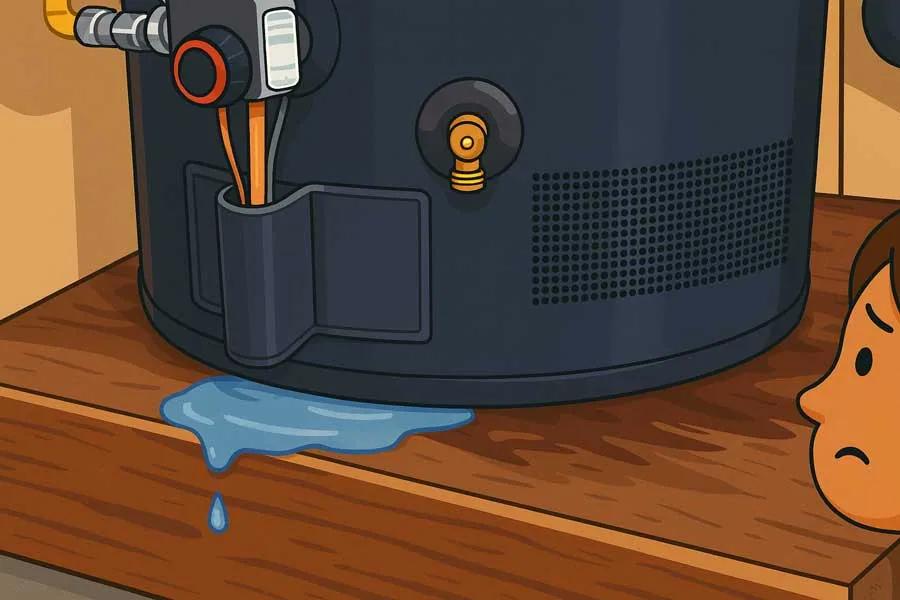
Water Heater Leaking? Here’s What to Do Before It Gets Worse
Table of Contents
- Why Acting Fast Matters When You See a Water Heater Leaking
- First Steps: Safe, Simple Moves You Can Do Right Away
- How to Find the Source of the Leak
- Common Causes of a Water Heater Leaking and What Each One Means
- Repair or Replace: Smart Ways to Decide
- Water Heater Leaking at a Business
- Preventive Maintenance So It Does Not Happen Again
- FAQs: Practical Answers About a Water Heater Leaking
- Need Help Now
- Sources
Why Acting Fast Matters When You See a Water Heater Leaking
You spotted water around the tank and your stomach dropped. We get it. The good news is that a calm, step by step plan can protect your home and keep costs under control. A Water Heater Leaking can damage floors, drywall, and nearby belongings. It can also create safety risks if water reaches electrical parts or if hot water splashes. Acting quickly limits the mess, gives you time to diagnose the problem, and helps you decide if a repair or a replacement is the smarter move.
Many leaks start small. A slow drip from a loose connection or a sweating valve may not look serious at first, but moisture spreads. It can rot wood, invite mold, and lead to bigger failures later. Even if you are handy, some leak sources point to pressure problems or internal corrosion. Those are signs to bring in a licensed plumber who can make sure the whole system is safe and up to code.
First Steps: Safe, Simple Moves You Can Do Right Away
Before you grab a wrench, make the area safe and stop the water if you can. Here is a quick checklist you can follow in order.
- Turn off the power or gas. For an electric unit, switch off the dedicated breaker. For a gas unit, rotate the gas control to the Off position. This reduces risk while you inspect the tank.
- Close the cold water inlet. At the top of most tanks you will see a cold water shutoff valve. Close it to slow or stop the leak. If the valve will not budge or you still see water flowing, use the main house shutoff until help arrives.
- Protect the area. Move boxes and items away from the puddle, set down towels, and place a shallow pan or bucket where the drip is landing. If you have a floor drain, clear a path so water can flow to it.
- Take a quick photo. Snap pictures of the wet area, the fittings, and any labels. Photos help a plumber understand what you are seeing and can be useful for insurance if damage is significant.
- Do not test the relief valve unless you know how. The temperature and pressure relief valve is a safety device. If you are not sure, leave it alone and wait for a pro. We explain how to recognize it below.
How to Find the Source of the Leak
Once the unit is safe and the water is off, look for where the water begins. Dry the tank with a towel and watch for new moisture. These are the usual places to check when you suspect a Water Heater Leaking.
- Top connections. The cold water inlet and hot water outlet sit on top of the tank. Look for drips, mineral crust, or damp insulation around those nipples and flex lines. Gentle tightening or replacing a worn washer can solve minor seepage.
- Temperature and pressure relief valve. The T&P valve usually lives on the top or upper side of the tank with a discharge pipe running down the side to within a few inches of the floor. If you see water at the mouth of that pipe, the valve may be opening due to high pressure or temperature. It can also fail with age.
- Drain valve. Near the bottom of the tank is a spigot used to flush sediment. If it was bumped or not fully closed after a flush, it can weep. The cap can crack too. Sometimes a simple replacement of the drain valve solves the problem.
- Seams and body of the tank. If water beads through the outer shell or the bottom pan is wet with no obvious above source, the inner steel tank may be corroding. Internal tank leaks usually mean replacement.
- Condensation or nearby plumbing. In cool garages or on first start after a fill, water on the shell can be condensation. Wipe it dry and watch for a reappearance. Also check nearby softener lines, furnace drains, or washing machine hoses that may be fooling you.
Common Causes of a Water Heater Leaking and What Each One Means
Knowing the likely cause helps you plan your next move. Here are the most common reasons we see and what they usually require.
1) Loose or corroded top fittings. Vibration and thermal expansion can loosen flex connectors over time. Minerals in hard water can crust around threads. If the leak stops after a gentle snug and a new washer, you may be in the clear. If the fitting is badly corroded or the nipple is rusted, replacement is safer.
2) Worn drain valve. Plastic drain valves are common and can drip as they age. Replacing the valve with a quality brass unit is a simple, cost effective fix. If you are comfortable, you can thread on a hose cap as a short term stopgap until service.
3) Temperature and pressure relief problems. The T&P valve protects you from excessive pressure or heat. If it opens frequently, there may be a pressure issue in the home or the water temperature is set too high. A failed valve can also leak on its own. A plumber will test system pressure, inspect any expansion tank, set temperature near 120°F, and replace the T&P valve if needed.
4) Excessive system pressure and no expansion tank. Closed plumbing systems need a place for hot water to expand. Without an expansion tank or with a failed one, pressure spikes can force water out of the relief line or stress fittings. Installing or replacing a properly sized expansion tank often solves odd intermittent leaks and chirps from the relief pipe.
5) Sediment buildup. Minerals settle to the bottom of the tank, especially in hard water areas. Sediment insulates the burner or elements, leads to overheating, and can crack the glass lining. That chain of events can end with a Water Heater Leaking from the base. Annual flushing keeps sediment in check and extends tank life.
6) Aging tank. Most standard tank water heaters last about 8 to 12 years depending on water quality and maintenance. When the inner tank rusts through, replacement is the only real fix. If yours is near the end of its expected life and is leaking, replacing now avoids repeat service calls and surprise floods.
7) Anode rod depleted. The anode rod sacrifices itself to prevent tank corrosion. When the rod is spent, the tank begins to rust. An annual inspection and timely rod replacement can prevent a Water Heater Leaking from internal corrosion.
8) Valve packing and gaskets. The cold inlet shutoff or the gas control body can seep at the stem or gasket. Sometimes repacking the stem or replacing the valve cures the issue. Because gas and high voltage are nearby, many homeowners prefer a pro for this work.
Repair or Replace: Smart Ways to Decide
No one wants to replace a big appliance if a simple repair will do. Here are fair rules of thumb to guide the choice when you find a Water Heater Leaking.
- Age of the unit. Under five years old and well maintained often favors repair. Close to ten years, a tank leak usually means replacement is the sensible choice.
- Type of leak. Fittings, drain valves, and T&P valves are serviceable. The tank body is not. If water is pushing through seams or the base pan without an external source, replace.
- Energy efficiency goals. A new higher efficiency model can lower utility costs and provide faster recovery. If your family has grown or your business has added fixtures, upgrading size or fuel type may be smart.
- Budget and timeline. Many repairs are same day. Full replacement is also fast for our team, but it is a larger expense. We offer financing options that help spread out costs while you get hot water back quickly.
If you are leaning toward repair, schedule a visit. If you suspect the tank itself is leaking, plan for a replacement appointment. Our licensed technicians will confirm the diagnosis and walk you through options so you can choose with confidence.
Water Heater Leaking at a Business
Restaurants, salons, gyms, and small offices depend on steady hot water. A leak can disrupt service and create safety issues in busy spaces. If you manage a property or run a business and you discover a Water Heater Leaking, isolate the area, post a quick notice for staff, and call right away. We prioritize commercial downtime and can coordinate service outside of peak hours when possible. Learn more about solutions for high demand systems on our commercial water heater repair and replacement page.
Preventive Maintenance So It Does Not Happen Again
A little routine care goes a long way. These simple habits cut down on emergencies and help your unit last longer.
- Flush the tank once a year. Draining a few gallons removes sediment that can overheat the bottom of the tank. If you hear rumbling or popping, that is a sign sediment has built up.
- Check the anode rod every one to two years. When the rod is down to the steel core, replace it. This small part is your best defense against hidden corrosion that becomes a Water Heater Leaking later.
- Test the T&P valve. Lift the test lever briefly to make sure the valve opens and reseats. Place a bucket under the discharge pipe first. If it will not close fully after the test, replace it.
- Verify system pressure and the expansion tank. Many homes have higher pressure at night. If the expansion tank is waterlogged or missing, spikes will work joints loose and stress the relief valve.
- Keep the area clear. Give the heater a few feet of space. Do not store paint, gasoline, or cardboard right next to the unit. Good airflow helps combustion on gas units and makes inspection easier.
- Set temperature to about 120°F. This is hot enough for comfort and sanitation while reducing scald risk and stress on the tank.
- Schedule professional service. An annual check from a licensed plumber can catch small problems early and document maintenance for warranty support.
FAQs: Practical Answers About a Water Heater Leaking
- What should I do if my water heater is leaking?
Turn off power or gas to the unit. Close the cold water inlet at the top of the tank. Protect the area with towels or a pan. Look for the source at the top fittings, the T&P discharge pipe, the drain valve, and the body of the tank. If the tank itself is leaking or you are unsure, contact a licensed plumber. You can reach us anytime through 24/7 Emergency Plumbing. - Can I still use water if my water heater is leaking?
If you have safely turned off power or gas and the leak is small at a fitting, you may use cold water in the rest of the home while waiting for service. Hot water use is not recommended because it can increase pressure and make the leak worse. If water continues to pool or the leak is from the tank body, keep the cold inlet closed and call for help. - Is it an emergency if my water heater is leaking?
It can be. Active flooding, hot water spraying, water near electrical connections, the smell of gas, or a leak from the body of the tank are all urgent. Shut off power or gas and the cold water inlet, then call for immediate service. If you need us right now, use 24/7 Emergency Plumbing and we will dispatch a tech.
Need Help Now
If you are dealing with a Water Heater Leaking and you want it handled quickly and safely, we are ready to help. For homeowners, start here: water heater repair and replacement. For property managers and business owners, visit our commercial water heater services. If you are comparing costs or planning ahead, ask about Smart Choice Plumbing Financing. To see where we work, view our Areas We Serve. And if the situation feels urgent, do not wait. Use our 24/7 Emergency Plumbing line and we will get a licensed plumber on the way.
Sources
The Spruce. How to Fix a Leaking Water Heater. https://www.thespruce.com/how-to-fix-leaking-water-heater-2719073
The Spruce. Temperature and Pressure Relief Valves for Hot Water Heaters. https://www.thespruce.com/tandp-relief-valve-hot-water-heater-1825057
Better Homes & Gardens. Water Heater Maintenance Tips. https://www.bhg.com/preventive-maintenance-on-a-hot-water-heater-8675833
U.S. Department of Energy. Water Heating. https://www.energy.gov/energysaver/water-heating
Fast Water Heater. What Is Considered a Water Heater Emergency. https://fastwaterheater.com/blog/what-is-considered-a-water-heater-emergency/
All internal links open in a new tab.